What Is Neuroarchitecture — And Why It Changes Everything About How I Design

I’ve been designing homes for over twenty years. And for most of that time, I couldn’t fully explain what made my process different.

I knew it was different. Clients would tell me — often in their own surprised words — that our first conversation felt unlike any they’d had with a designer before. That I asked questions nobody had asked them. That the space I created felt less like a renovation and more like a revelation.

Part of it is the questions. But part of it is something harder to name.

I notice things in a first meeting that don’t make it into any brief. The way someone’s shoulders drop when they walk into a room they love — and tense when they walk into one they’ve been tolerating for years. The way a person describes their dream space with their hands before they’ve found the words. The moment in a conversation when something shifts and the real answer comes through — not the answer they rehearsed, but the one underneath it.

I’ve always been this way. Wired to read a room — and the person standing in it — before I’ve formed a single design opinion. I used to think it was just attentiveness. Then I realized it was the foundation of everything I do.

I called it listening. I called it paying attention. I called it caring about the person more than the portfolio.

Then I found a word for it.

Neuroarchitecture. The study of how the built environment affects the brain, the nervous system, and emotional state.

It’s a relatively young field — sitting at the intersection of architecture, neuroscience, and psychology. And when I discovered it, something clicked. There was a science behind what I had been practicing intuitively for two decades. The attunement wasn’t incidental to my process. It was the process.

This is what it means. And why it matters for your home.

Why Most Beautiful Rooms Still Feel Wrong

Here’s something I’ve noticed over twenty years of walking into other people’s homes: a room can be objectively beautiful — great light, perfect finishes, thoughtfully sourced furniture — and still feel off.

Like it belongs to someone else.

This isn’t a styling problem. It’s a design problem. Specifically, it’s what happens when a space is designed for how it will photograph rather than for how it will feel to live in.

Neuroarchitecture offers an explanation for why this happens — and a framework for doing something different.

The brain doesn’t experience a room the way a camera does. It experiences it through the nervous system — through the body moving through space, registering light levels, ceiling height, the distance between walls, the texture of what your hand touches, the sound the floor makes under your feet. All of that data is processed below conscious awareness, shaping how you feel in a space before you’ve formed a single opinion about it.

When design ignores this — when it optimizes for visual impact rather than felt experience — the result is a room that looks right but doesn’t feel right. And you can’t quite name why.

What Neuroarchitecture Actually Looks Like in Practice

Neuroarchitecture isn’t an aesthetic. It’s not a style you can see in a finished photograph. It’s a set of questions that shapes every decision made before a single material is selected.

In my practice, those questions sound like this:

  • How does this person move through their morning? Where do they need to feel calm, and where do they need to feel energized?
  • What is the quality of natural light in this space throughout the day — and how does it affect the way the room feels at different hours?
  • What is the ceiling height doing to the sense of spaciousness or intimacy? Does it serve how this person wants to feel in this room?
  • What does the circulation path through this home feel like as a sequence of experiences — not just as a floor plan?
  • What textures will this person’s hands and feet encounter daily, and what do those textures communicate at a nervous system level?

These aren’t decorating questions. They’re questions about how a human being will inhabit a space — and they have to be answered before any design decisions are made.

This is why I always meet clients in person, in the space if possible. A questionnaire can tell me what someone thinks they want. Being present with them tells me what they actually need.

There’s information in a face-to-face conversation that no intake form will ever capture. The pause before someone answers a question about their bedroom. The way a person’s energy changes when they walk from a room they love into one that’s been bothering them for years without knowing why. The detail they mention almost as an aside — the one that turns out to be the entire brief.

I pay attention to all of it. Not analytically — intuitively. It’s the part of my practice I can’t fully systematize, and I’ve stopped trying to. Some of the most important design decisions I’ve ever made came from something I sensed in a room before I’d measured a single wall.

How This Actually Works — The Design Board Session

Here’s where it gets fun.

After our initial conversations, I put together three design board options. Not to overwhelm you — but to open a door.

The first board reflects what you told me you want. The images you saved, the words you used, the direction you think you’re heading. It’s a mirror of your stated vision, presented clearly so we can look at it together and confirm — or discover — whether it’s really what you meant.

The second board is my interpretation. It’s built on everything you said, but filtered through what I heard underneath it. The mood behind the words. The feeling you were reaching for that didn’t quite make it into the brief. This one sometimes surprises people. In the best way.

The third board is a deliberate departure. It’s still grounded in your goals — the function, the feeling, the way you want to live — but it comes at them from a completely different direction. I include it because sometimes the thing you didn’t know you wanted is the thing that makes you light up the moment you see it.

Three boards. Three different conversations. And I’m watching all of it — not just what you say, but how you respond.

This is where the attunement I described earlier does its most visible work. When we go through the boards together, I’m listening to your words and reading the room at the same time. The lean forward. The quiet pause. The ‘I don’t know why but I love that.’ The almost-dismissal that’s actually an opening.

Most clients don’t end up with any of the three boards. What they end up with is a fourth — built collaboratively in that session, pulling from what genuinely resonated across all three. A piece of the palette from the first. The feeling of the second. One unexpected element from the third that turned out to be exactly right.

It’s my favorite part of the process. Because by the end of that session, you’re not choosing from options I’ve presented. You’re co-creating something that didn’t exist before you walked in. Something that couldn’t have existed without you.

That’s neuroarchitecture in practice. Not a formula — a conversation. One that ends with a space that feels unmistakably, specifically, completely yours.

What This Means for Your Home

You don’t need to understand neuroarchitecture to benefit from it. Most of my clients have never heard the word before we meet.

What they do know is the feeling they’re after. The exhale when they walk in the door. The sense that the space holds them rather than performs for them. The way a room can make a hard day feel manageable, or a quiet morning feel expansive.

That feeling isn’t accidental. It’s designed.

It’s designed through the questions asked before a single line is sketched. Through the in-person conversation that goes places a brief never would. Through the understanding that a home isn’t a backdrop for your life — it’s part of how your life feels.

The goal isn’t a beautiful room. It’s a room that feels true to the person who lives in it. Those aren’t always the same thing — but when they are, the result is extraordinary.

A Home Is Not a Series of Boxes

Most people — and honestly, most designers — think about a home room by room. The kitchen. The living room. The primary bedroom. Each space defined by four walls and a function, considered largely in isolation.

I don’t see it that way.

I see a home as a sequence of experiences. A continuous flow of movement, light, and sensation that begins the moment you pull into the driveway and doesn’t stop until you close your eyes at night. Every threshold you cross. Every sight line from one room into the next. The way the hallway feels before you reach the bedroom. Whether the kitchen draws you in or holds you at the edge of it.

When I walk a space for the first time, I’m not cataloguing rooms. I’m feeling the current — or the absence of it. Where does energy pool and stagnate? Where does it move freely? Where does the home ask you to slow down, and where does it invite you forward?

This is one of the places where my background in analytical thinking intersects most directly with design intuition. A floor plan isn’t a map of boxes. It’s a system — with inputs and outputs, friction points and release valves, places where the logic works and places where it quietly breaks down. I read floor plans the way other people read narratives. I’m always looking for the story the space is trying to tell, and whether it matches the story the person living in it needs to hear.

Changing how a home flows can change how a person feels in it more profoundly than any finish or furnishing ever could.

Sometimes the most significant transformation in a project isn’t a material choice at all. It’s removing a wall that was interrupting the conversation between two rooms. Relocating a doorway so the morning light lands differently. Widening a corridor just enough that it stops feeling like a passage and starts feeling like part of the home.

Small moves. Enormous felt difference.

This is what I mean when I say I don’t design rooms. I design how a home feels to live in — as a whole, from the inside out, in motion.

Why I Build My Practice Around It

I found the word neuroarchitecture about a year ago. I had been practicing the principles behind it for twenty years without knowing it had a name.

What finding it gave me wasn’t a new methodology — it gave me language. A way to articulate what I’ve always done and why it produces the results it does. A way to explain to a client who has worked with other designers and felt vaguely disappointed why this experience will be different.

It’s different because it starts somewhere different. Not with what your home should look like. With who you are, how you live, and what you need your home to feel like — in this chapter of your life, right now.

Everything else follows from that.

Ready to experience what this looks like in practice?

I work with clients across Seattle, Bellevue, Mercer Island, Kirkland, Issaquah, Woodinville, and beyond — on projects of every scale. A single room that hasn’t felt right for years. A full renovation. A new build from the ground up. The size of the project matters far less than the fit between us.

What I’m really looking for are people who think about their homes the way I think about them — as something that should feel as intentional and alive as the life being lived inside it. If that’s you, we’ll know it within the first conversation.

Every project begins the same way — with a conversation. No agenda, no pitch. Just listening.

If this resonates, I’d love to hear about your space.

Your Space. Your Style. Your Expression.

Grey Artala Art of Living brand logo
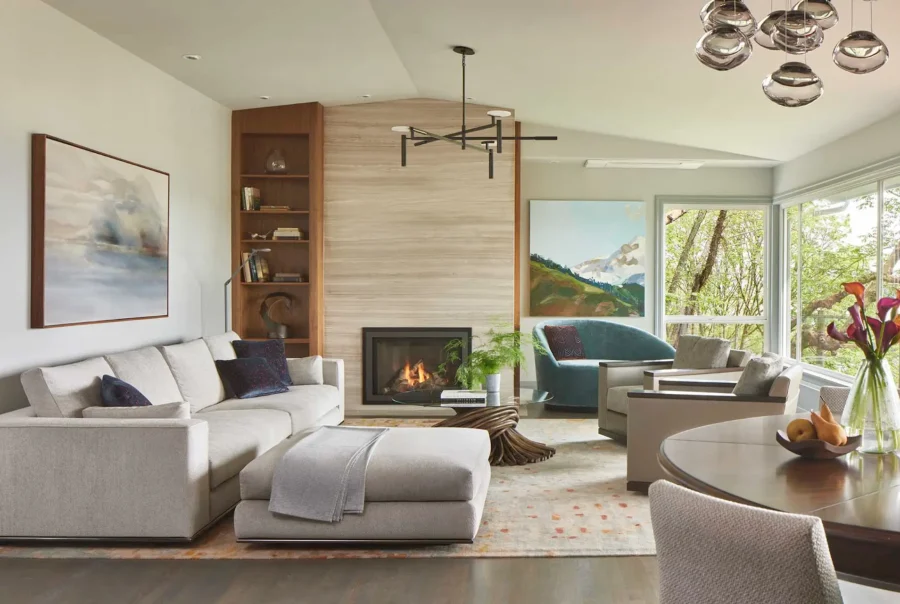
Open living space with wood ceiling beams from a Mercer Island remodel by Artala, Seattle residential architects
Elements.

Elements.

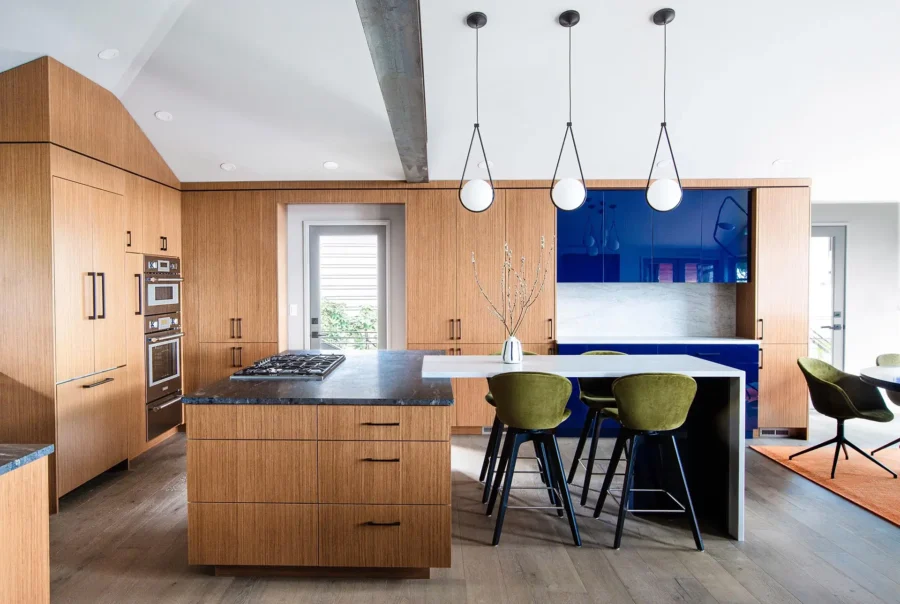
Mid-century dining space with bold blue backsplash from a seattle modern kitchen remodel
Expression.

Expression.

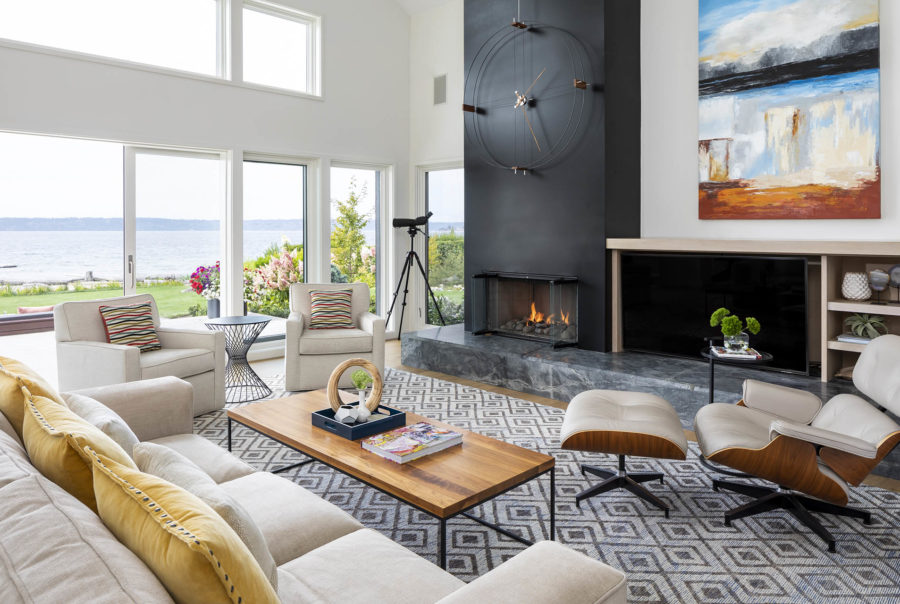
Renovated transitional style living room with black fireplace, large windows allowing natural light and beautiful ocean views
Tranquility.

Tranquility.

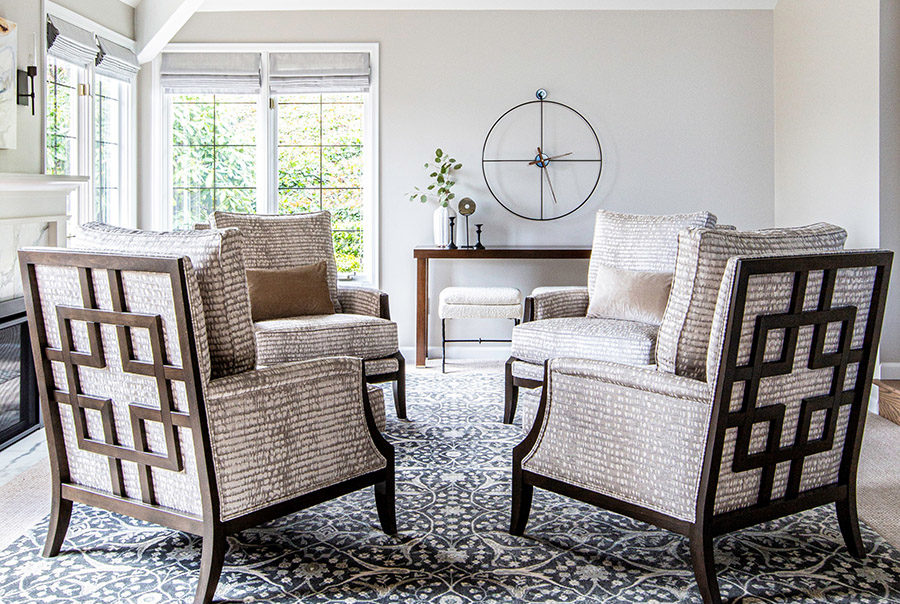
Focused redesigned contemporary style living room with four relaxed modern chairs. Large windows allowing for natural light.
Harmony.

Harmony.