Why Most Beautiful Rooms Still Feel Wrong
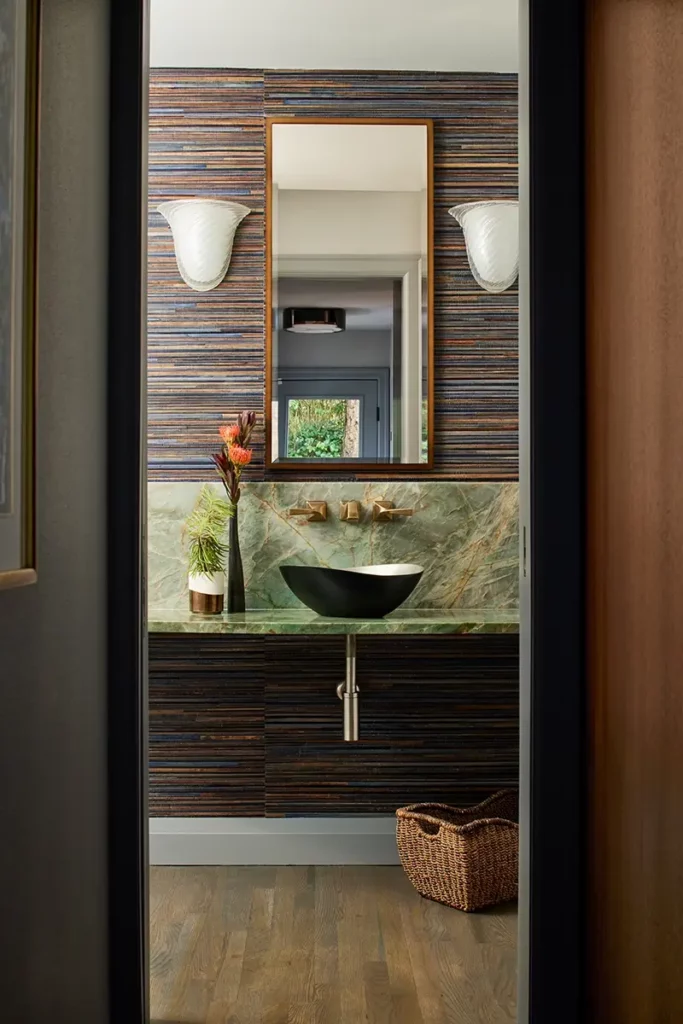
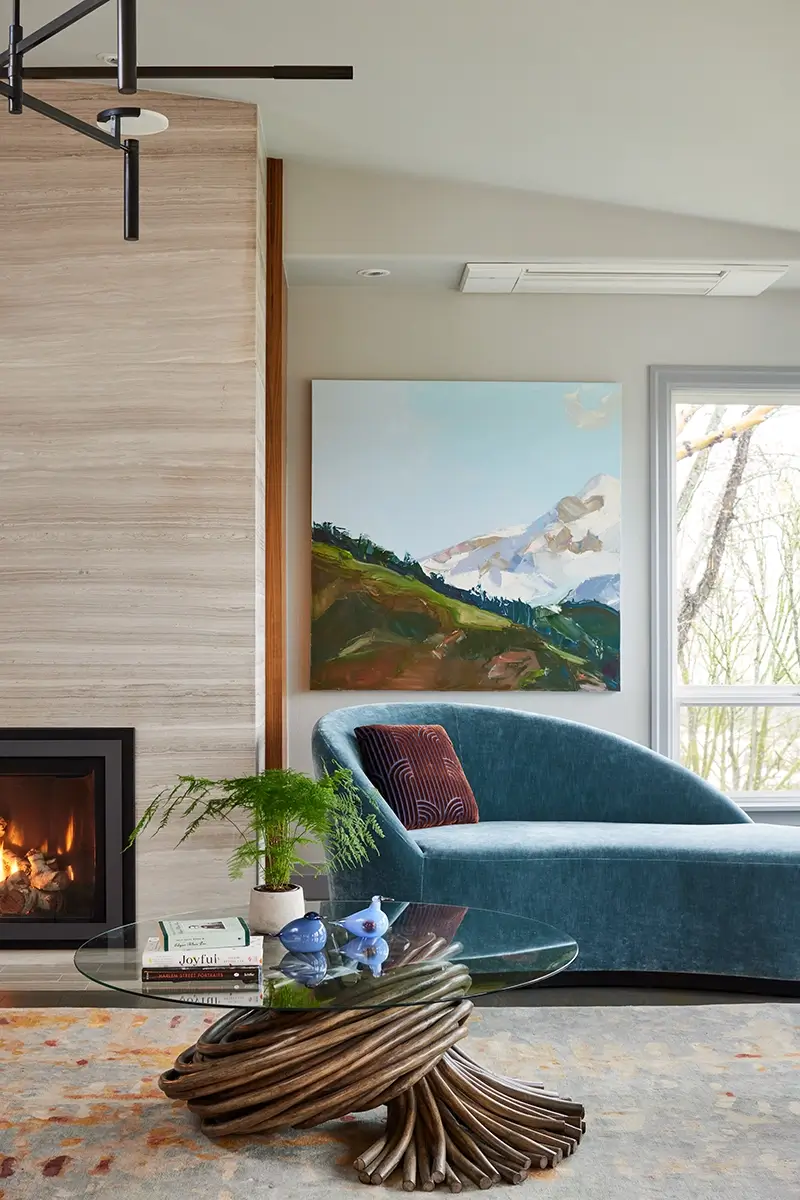
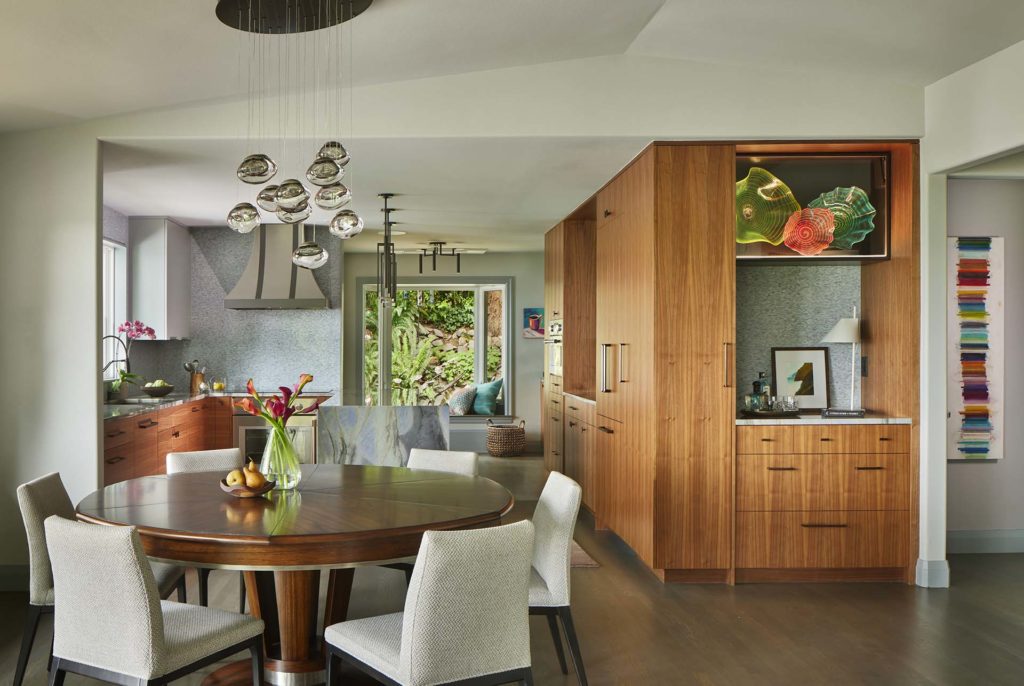
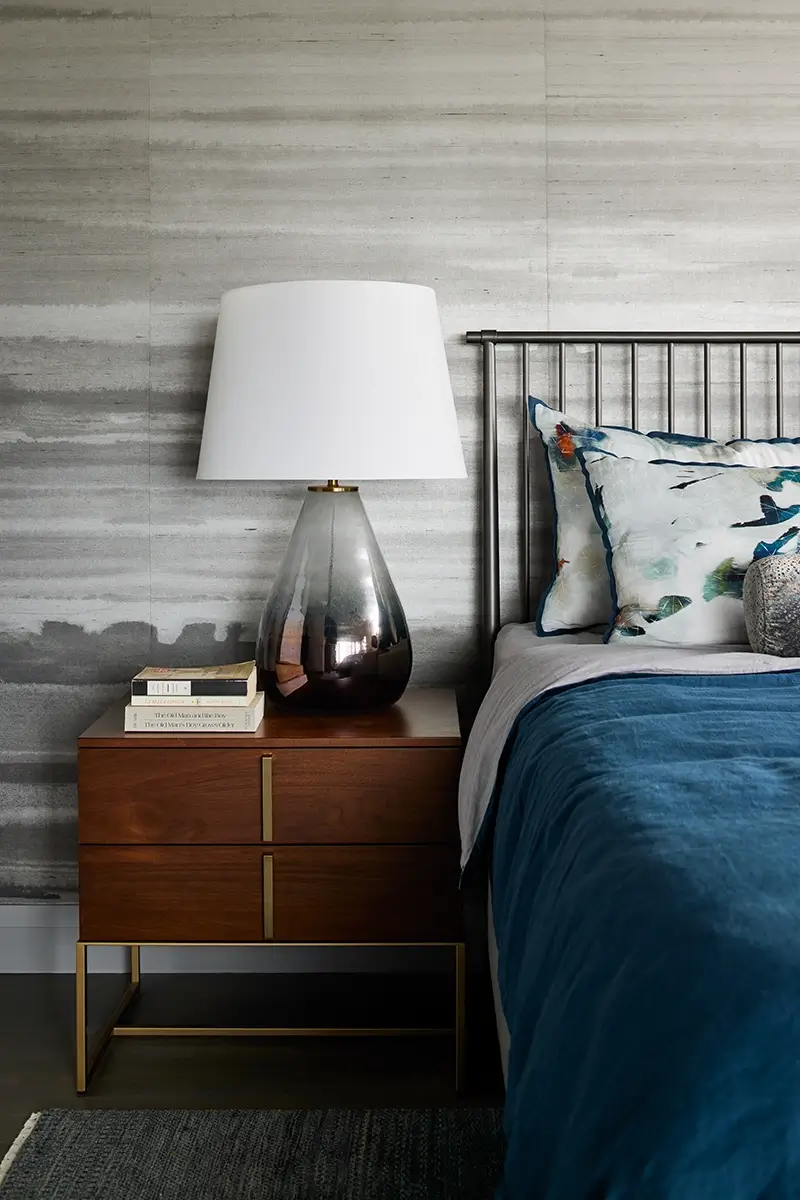
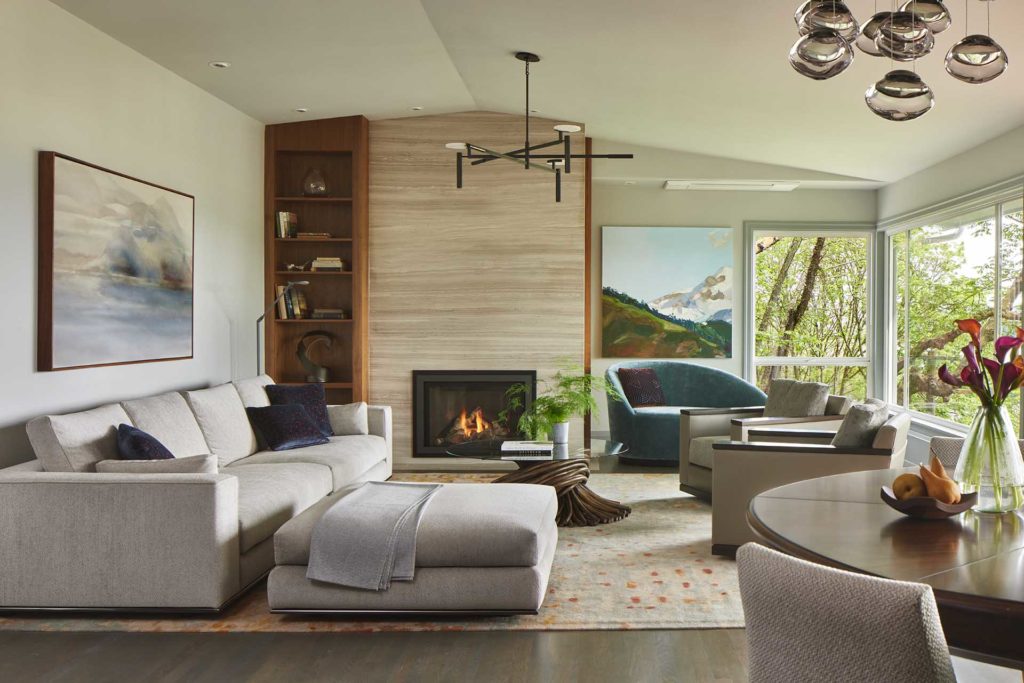
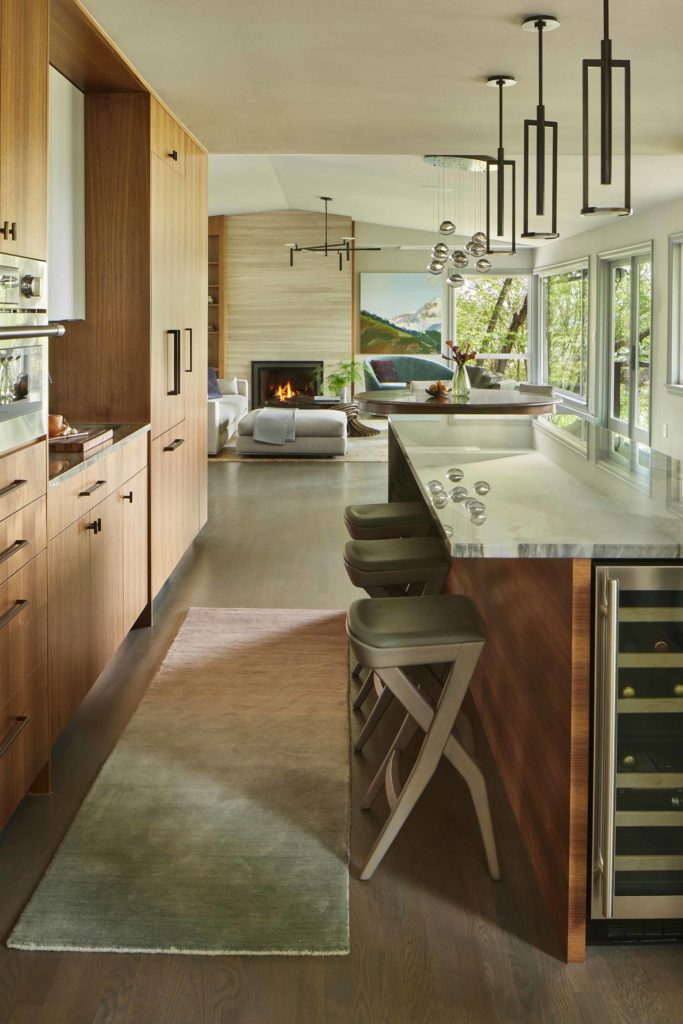
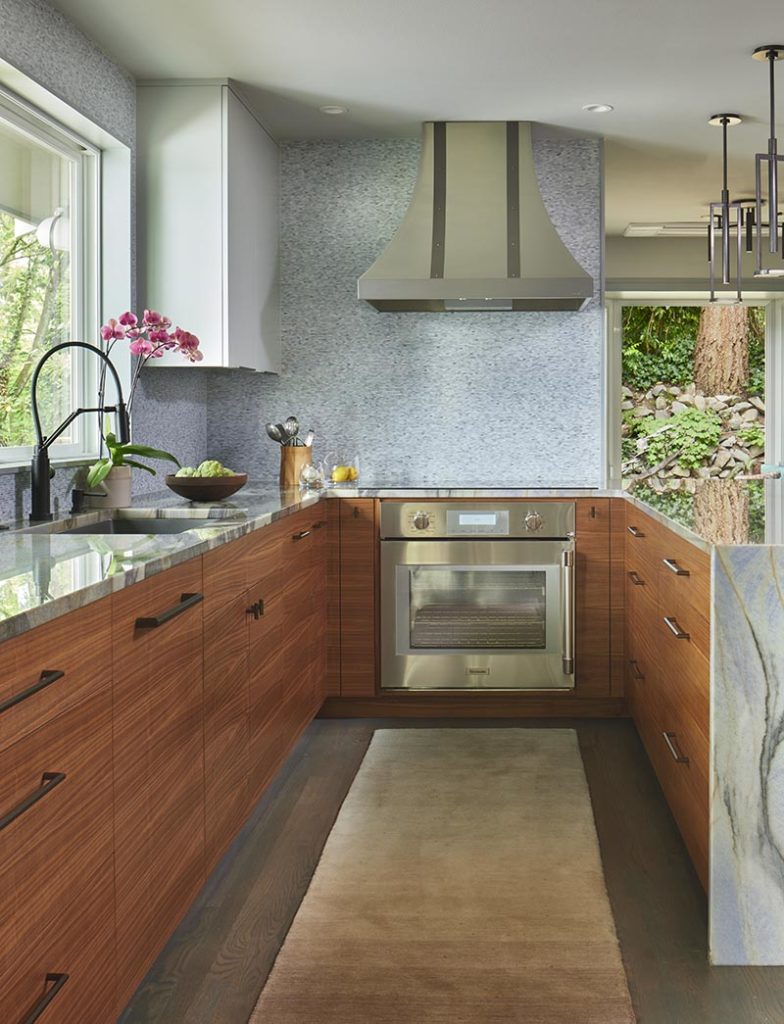
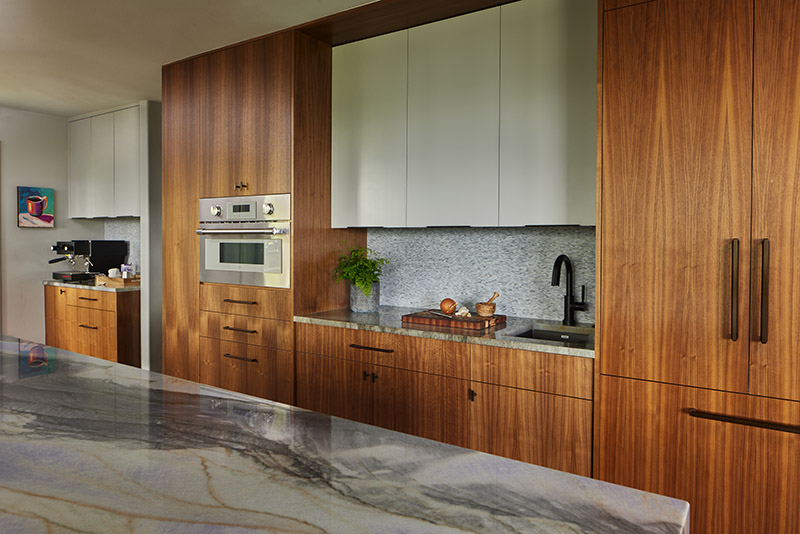
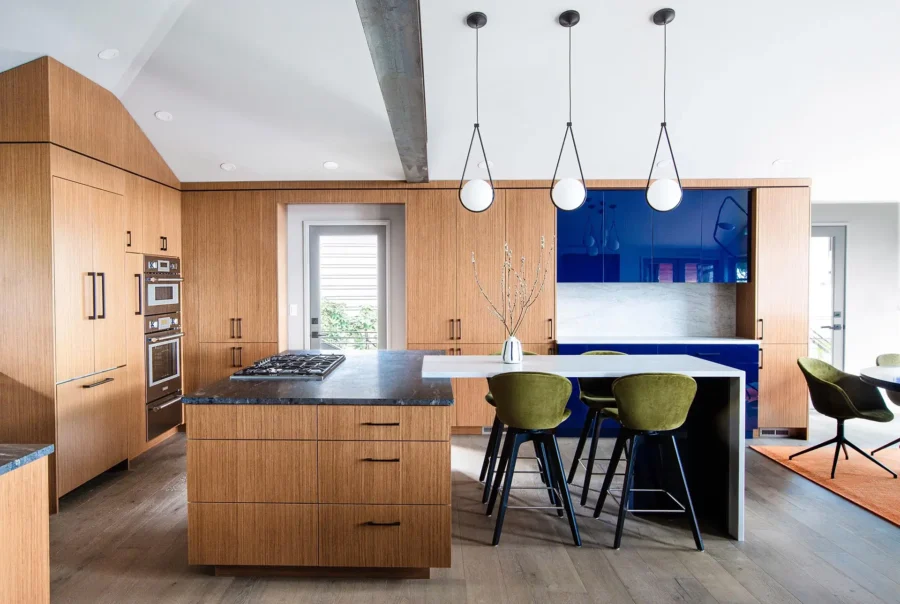
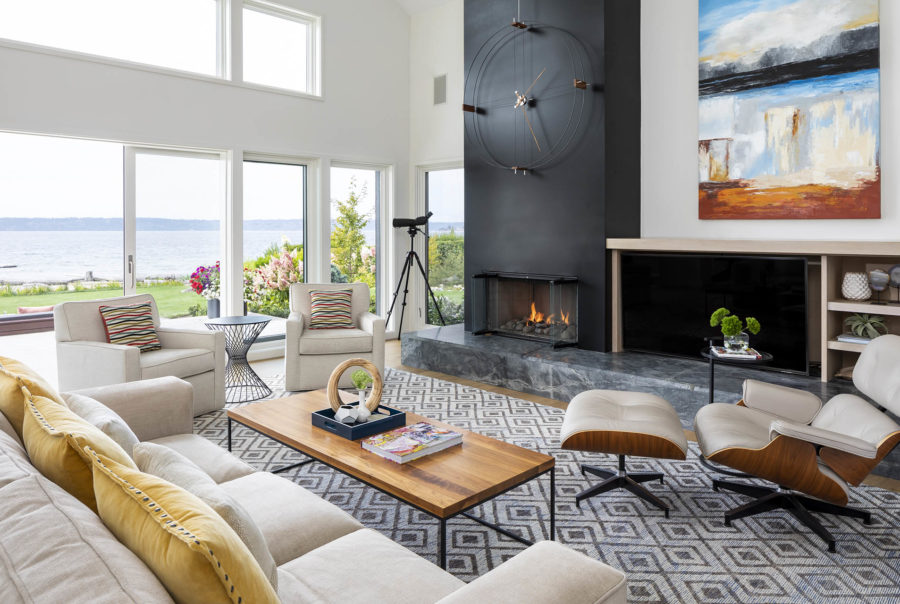
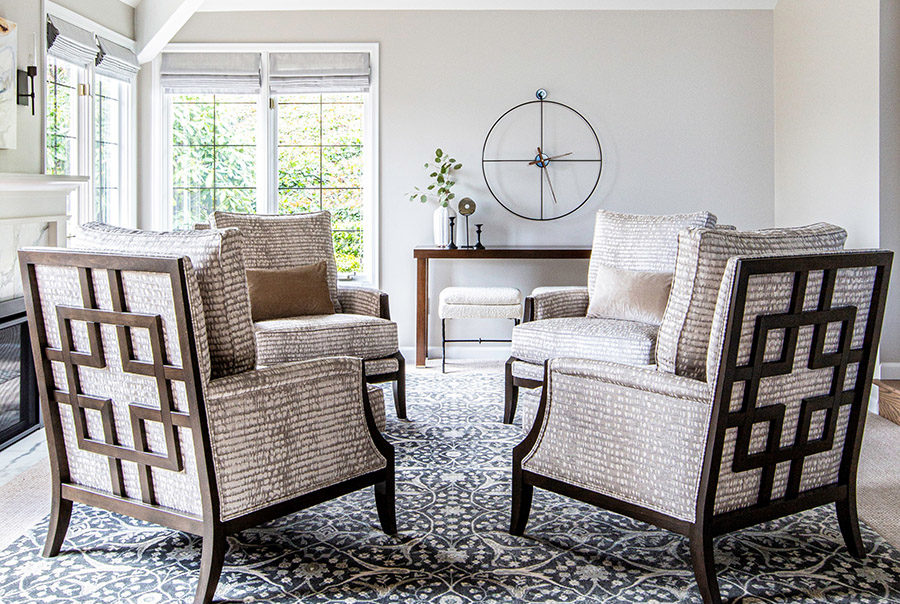
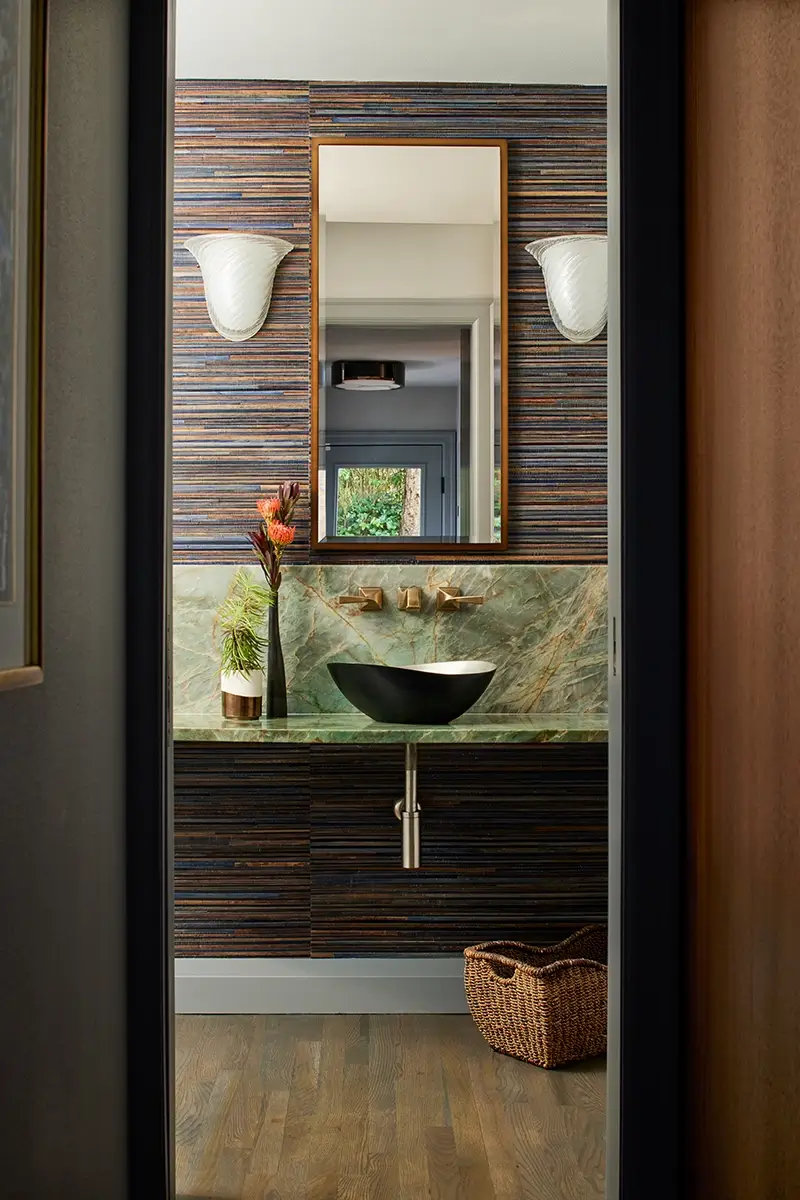
Here’s something I’ve noticed over twenty years of walking into other people’s homes: a room can be objectively beautiful — great light, perfect finishes, thoughtfully sourced furniture — and still feel off.
Like it belongs to someone else.
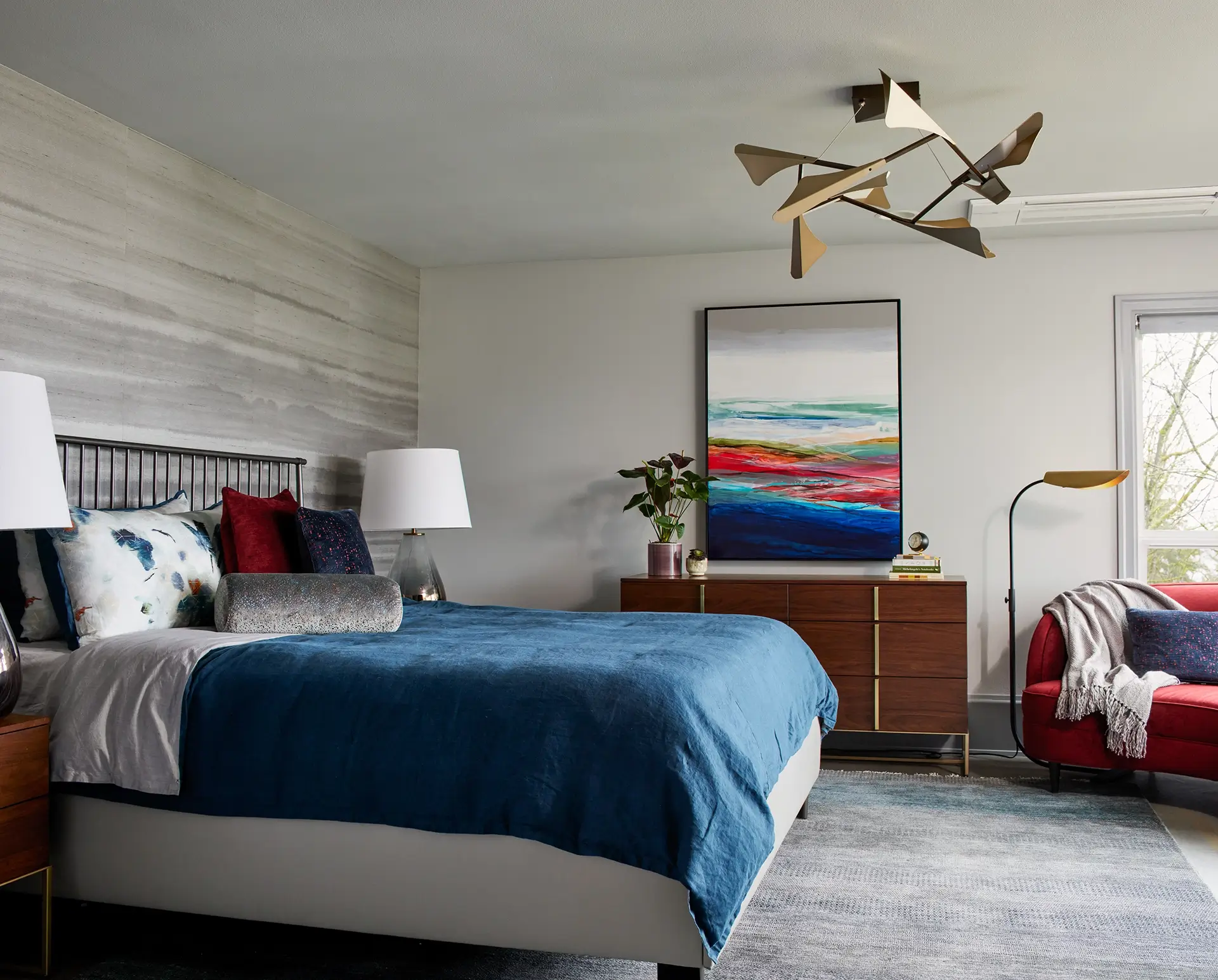
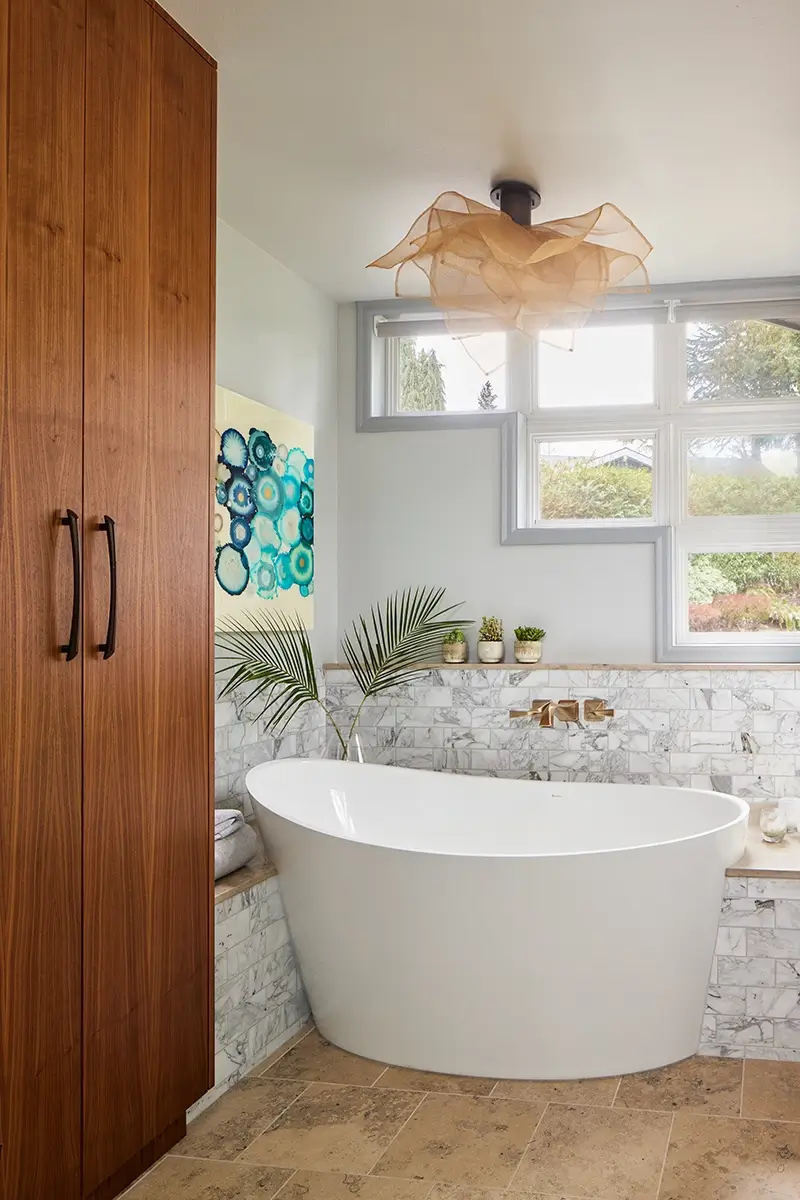
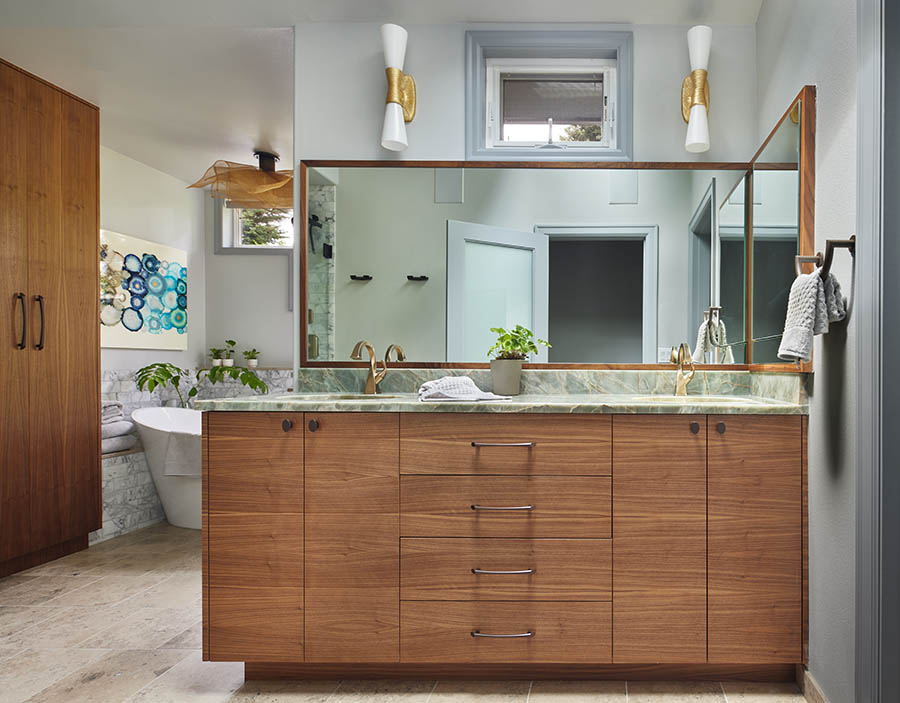
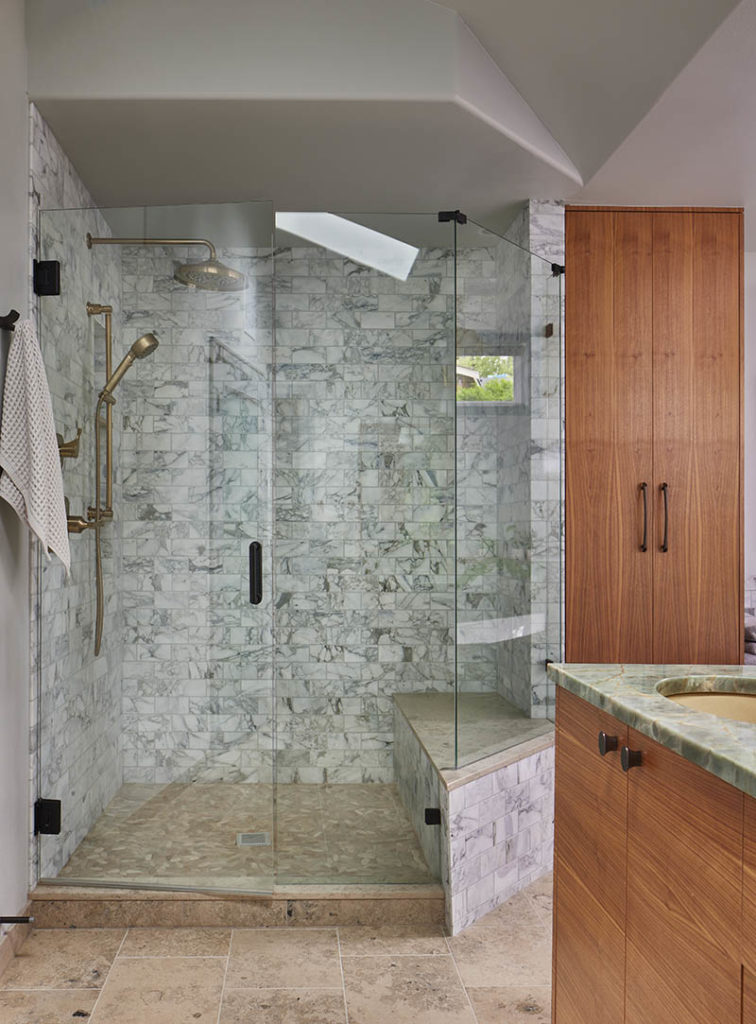
This isn’t a styling problem. It’s a design problem. Specifically, it’s what happens when a space is designed for how it will photograph rather than for how it will feel to live in.
Neuroarchitecture offers an explanation for why this happens — and a framework for doing something different.
The brain doesn’t experience a room the way a camera does. It experiences it through the nervous system — through the body moving through space, registering light levels, ceiling height, the distance between walls, the texture of what your hand touches, the sound the floor makes under your feet. All of that data is processed below conscious awareness, shaping how you feel in a space before you’ve formed a single opinion about it.
When design ignores this — when it optimizes for visual impact rather than felt experience — the result is a room that looks right but doesn’t feel right. And you can’t quite name why.