What Neuroarchitecture Actually Means for Your Home Renovation

The science behind why some rooms feel right — and others never do.

You’ve walked into rooms that stopped you. Something in the light, the proportion, the way sound moves through the space — it just felt different. Right. Like breathing out after holding your breath.

That gap — between how a space looks and how it makes you feel — is exactly what neuroarchitecture is designed to close.
What Neuroarchitecture Is.

The short version.

Neuroarchitecture is the study of how the built environment affects brain function, nervous system response, and emotional state. It draws on neuroscience, environmental psychology, and design to understand — and intentionally shape — spaces that support how people actually feel and function inside them.

It’s not a style. It’s a lens. And it changes the questions an interior designer asks before a single wall comes down.

What it looks at.

Light — not just how much, but the quality, direction, and temperature at different times of day. In Seattle, where we lose light through long gray winters and gain it at steep angles in summer, this matters enormously.

Acoustic properties — how sound moves, reflects, and absorbs in a space. Hard surfaces and open floor plans can create fatigue and stress without anyone realizing the room is the cause.

Spatial flow — the way the body moves through a space, and whether that movement feels intuitive or effortful. When a floor plan is right, you don’t notice it.

Material and texture — the tactile experience of a space. Surfaces we touch, floors we walk on — these communicate safety, comfort, and quality at a level below conscious thought.

How We Apply It at Artala.

Before we design anything, we immerse ourselves in the life that will unfold in the space. We stand where the bed will be and look toward the light. We trace the path from bedroom to kitchen at 6am. We sit where the sofa will go and ask what the eye lands on — and whether that view is worth waking up to every day.

We ask how this room will feel at 7am on a gray Tuesday in January — not just how it will look in photographs on a perfect day. How do you move through your mornings? Where do you actually decompress? What does the space need to feel like when it’s just you, and when the house is full?

The answers shape everything — flow, light, what you see when you move through the space, how rooms connect. That’s neuroarchitecture in practice: a deep read of how a specific person lives in a specific place, and a design that makes that life feel effortless.

The Result You Feel Before You Can Explain It.

Clients describe finished projects as:

‘I don’t want to leave,’

‘I didn’t know a room could feel like this,’

‘I can finally think here.’

That’s neuroarchitecture working. Invisible design, felt deeply.

Want to talk about what your home could feel like?

Your Space. Your Style. Your Expression.

Grey Artala Art of Living brand logo
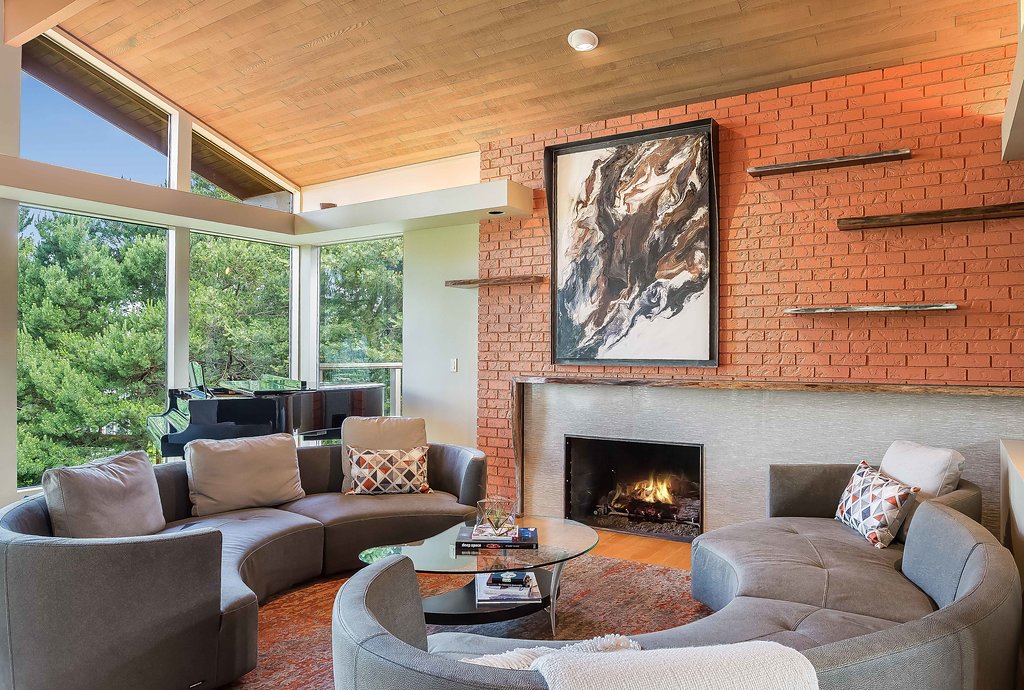
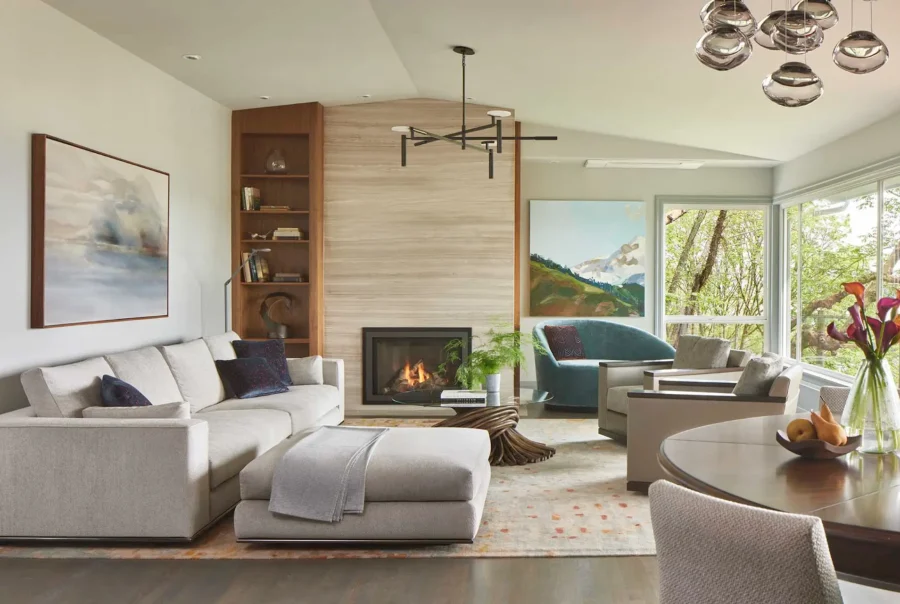
Open living space with wood ceiling beams from a Mercer Island remodel by Artala, Seattle residential architects
Elements.

Elements.

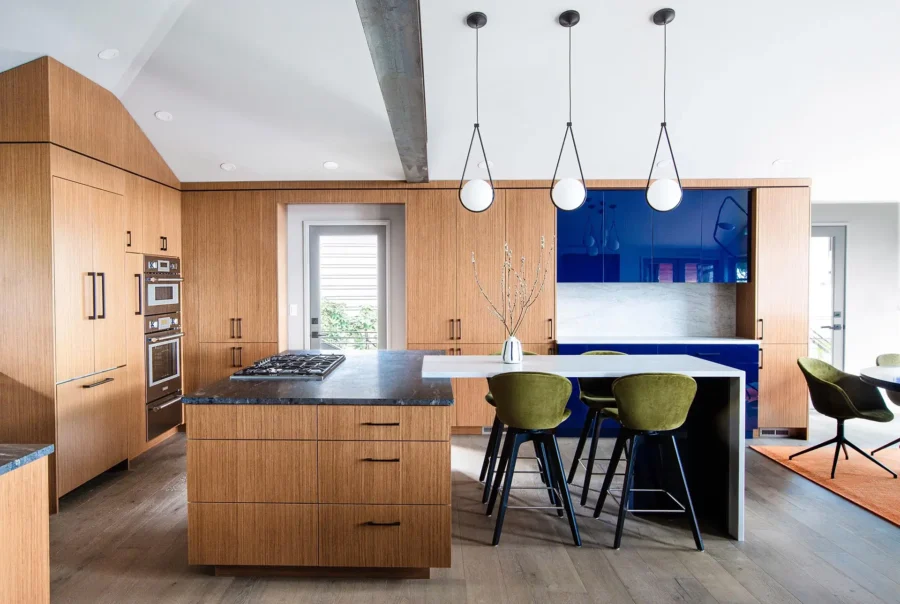
Mid-century dining space with bold blue backsplash from a seattle modern kitchen remodel
Expression.

Expression.

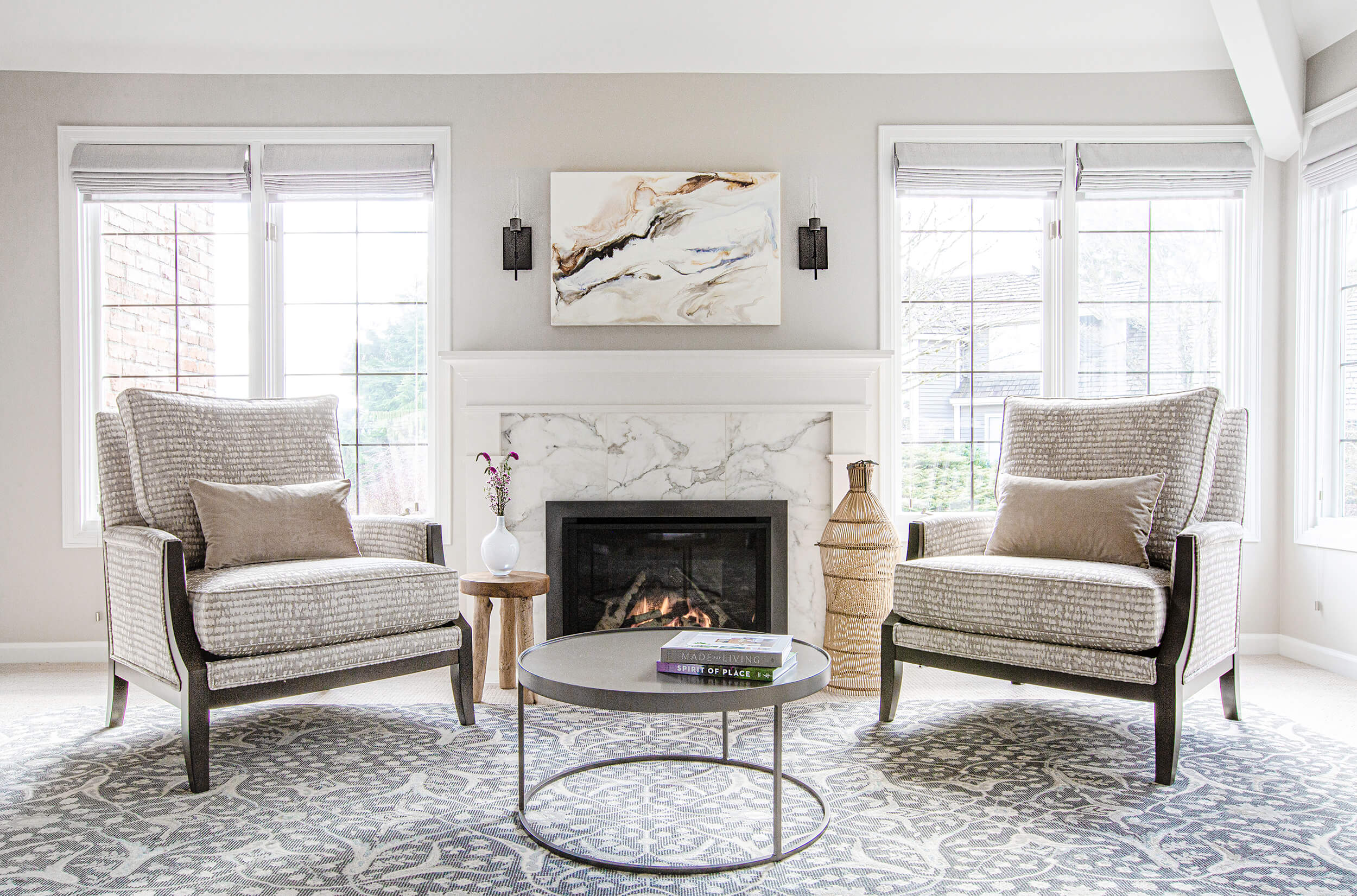
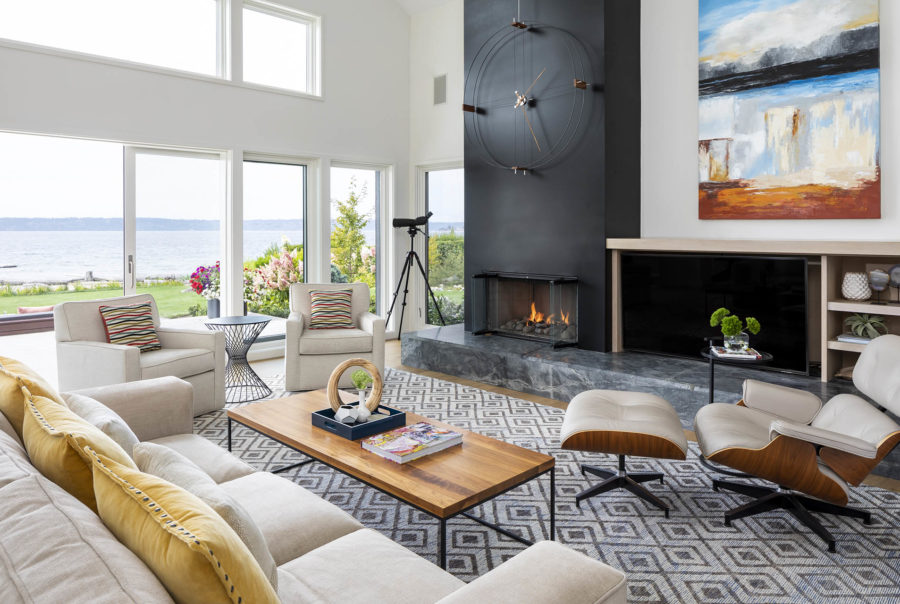
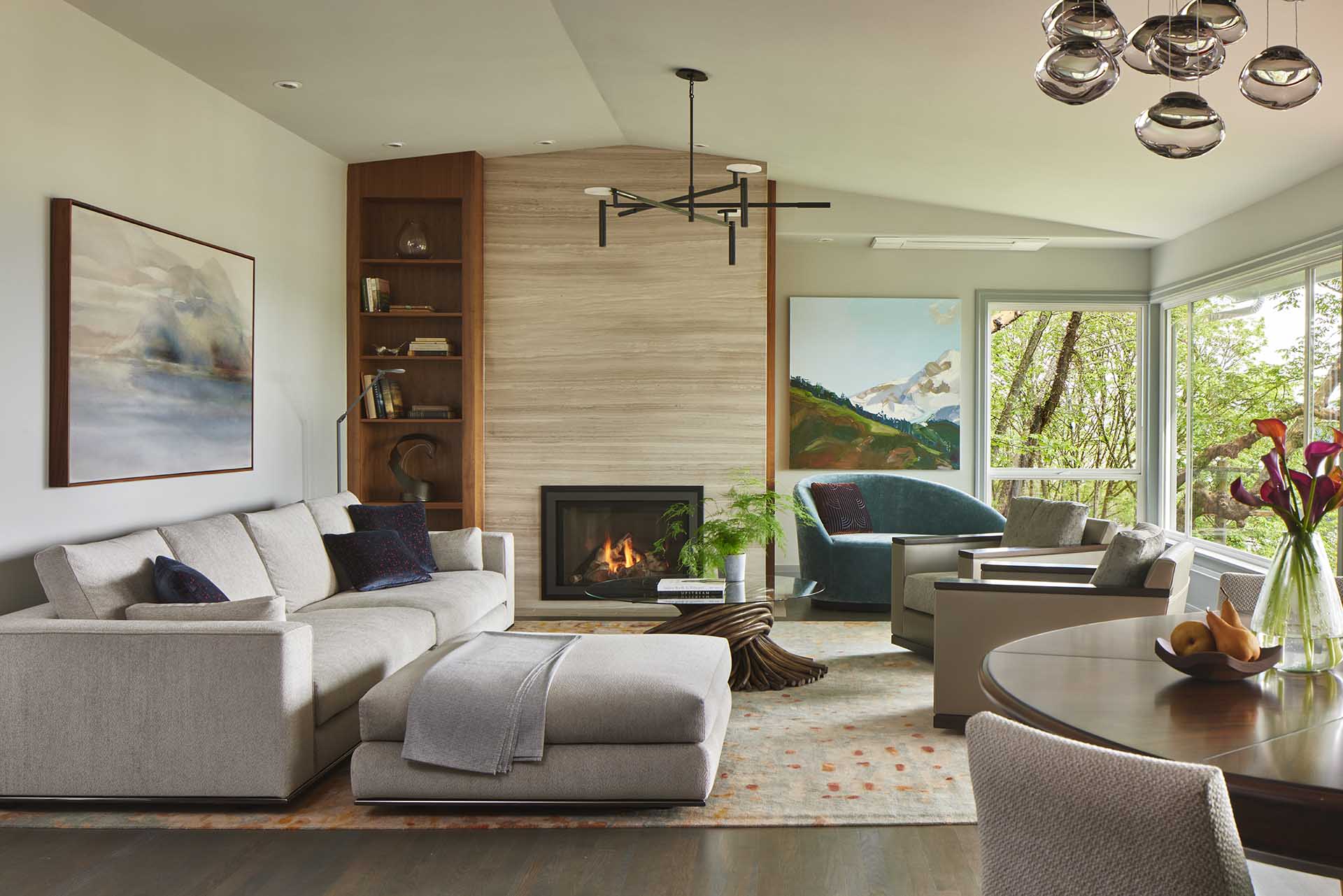
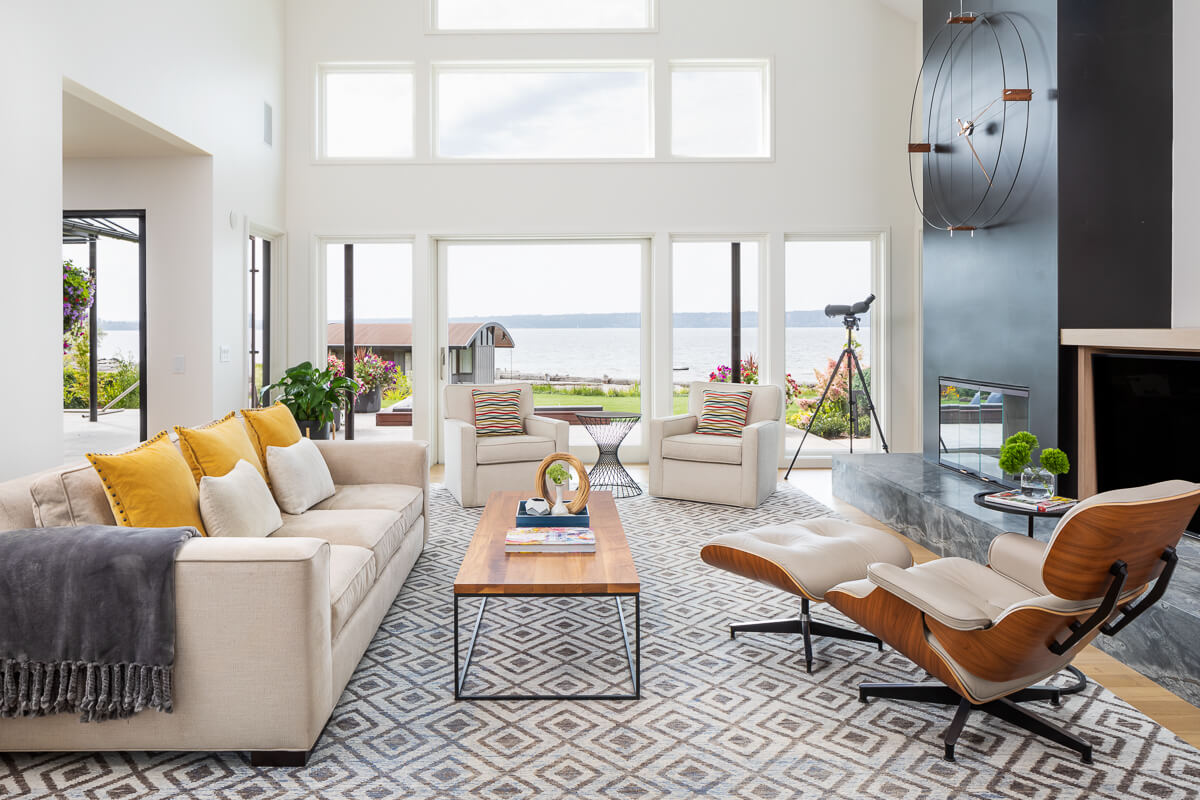
Renovated transitional style living room with black fireplace, large windows allowing natural light and beautiful ocean views
Tranquility.

Tranquility.

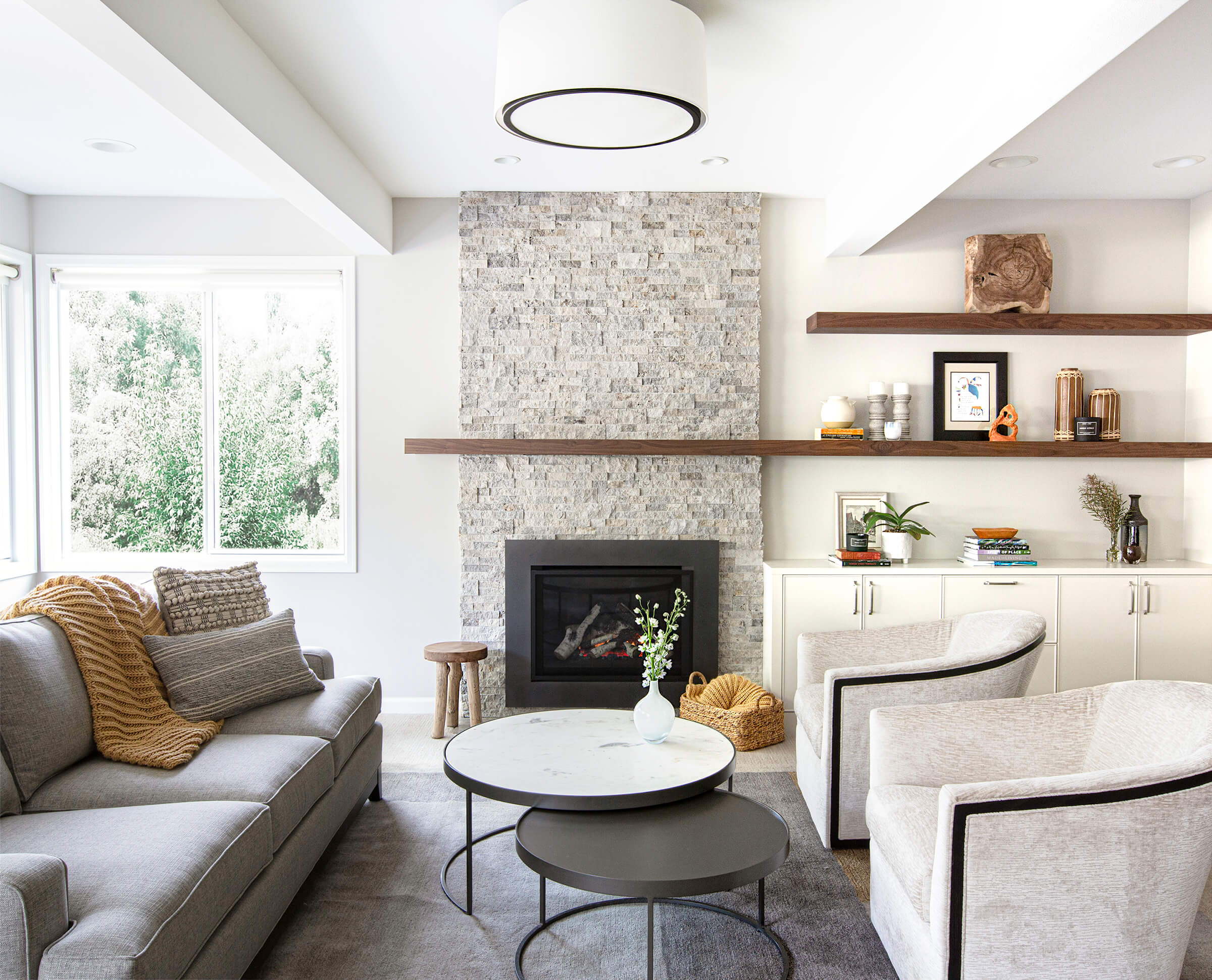
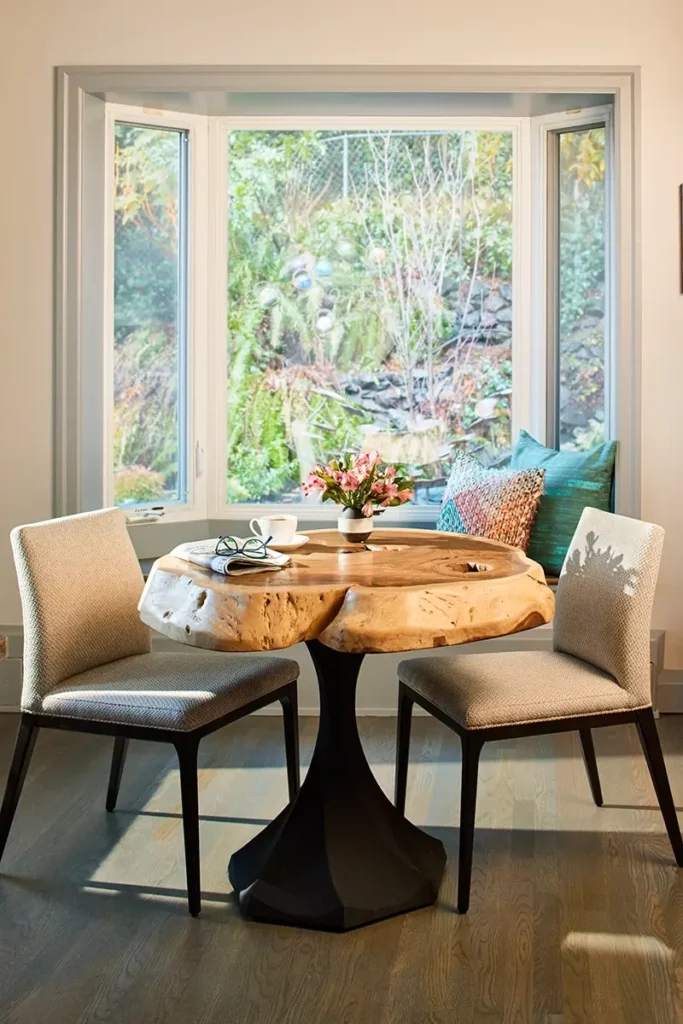
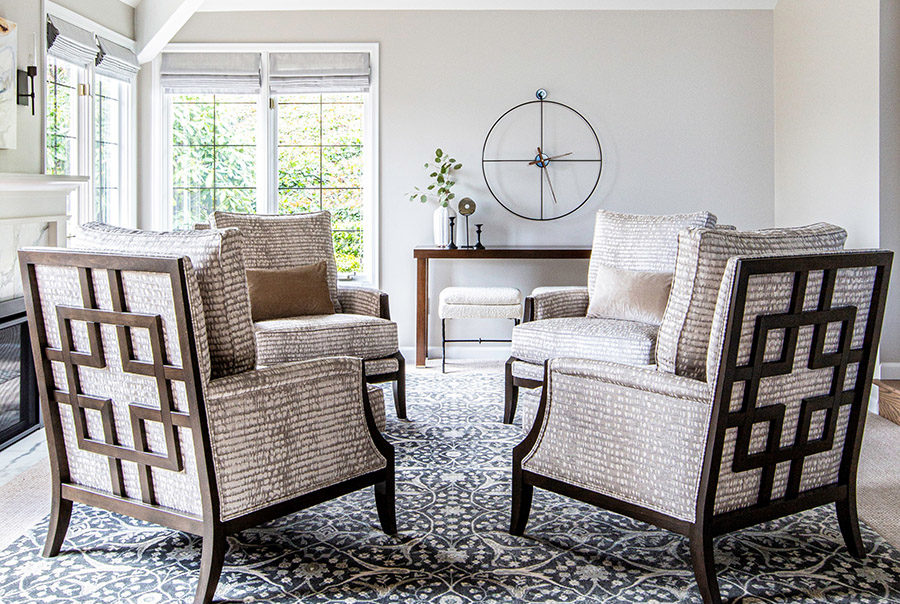
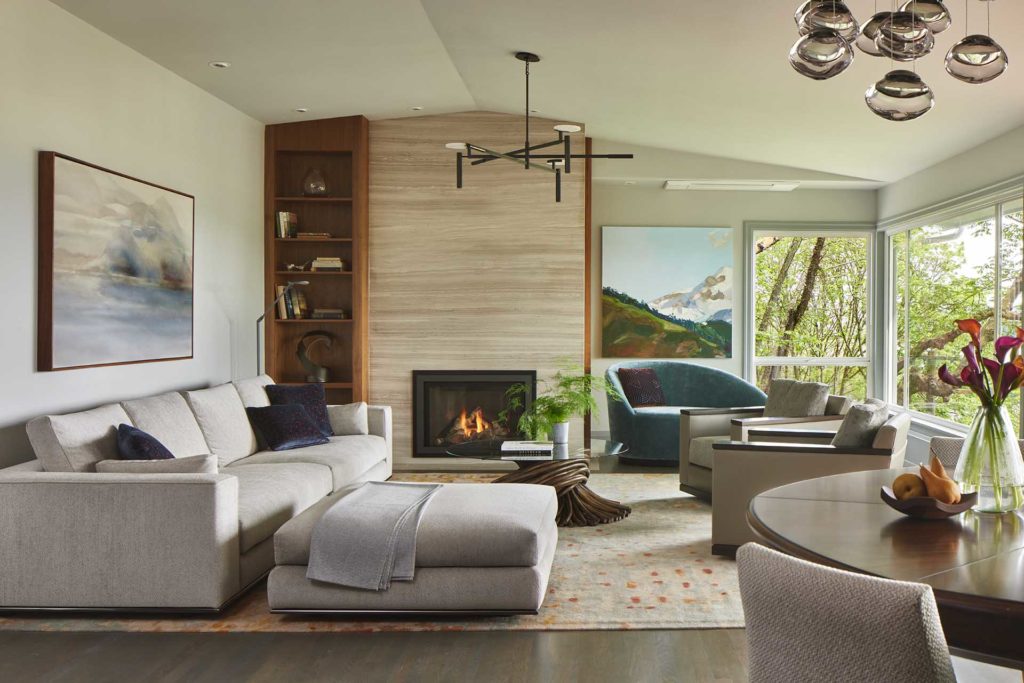
Focused redesigned contemporary style living room with four relaxed modern chairs. Large windows allowing for natural light.
Harmony.

Harmony.